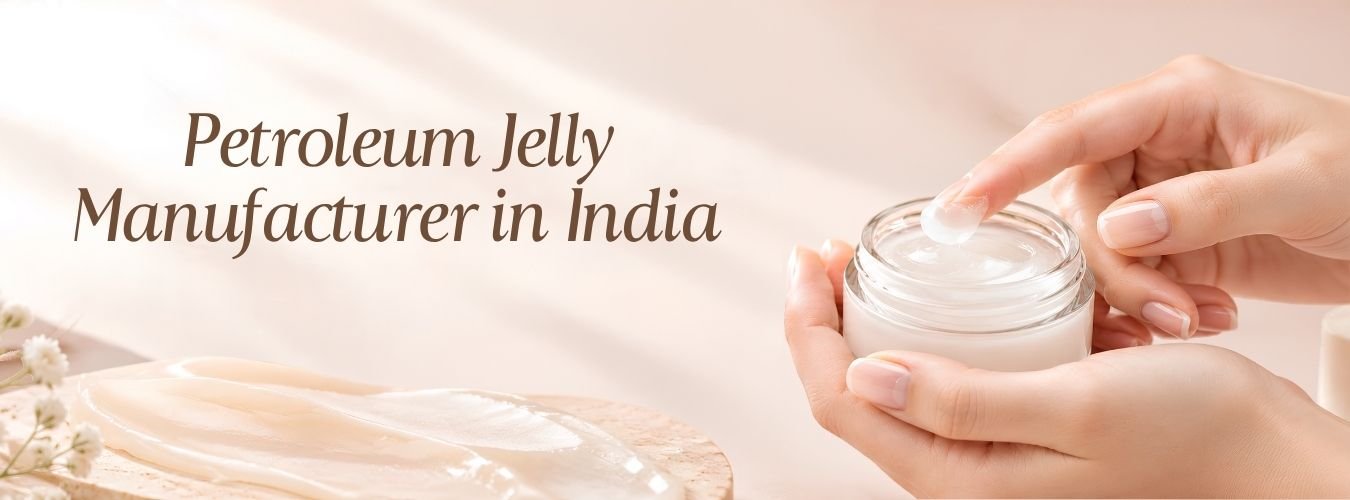
Petroleum jelly is one of the most widely recognised ingredients and products in the personal care and cosmetic industry. Known for its moisturising and protective properties, it is commonly used in skincare products designed to protect dry skin, improve softness, and reduce moisture loss.
From everyday skincare essentials to premium cosmetic formulations, petroleum jelly continues to hold an important place in the personal care market. Its versatility makes it a valuable product category for cosmetic brands, distributors, retailers, startups, and private label businesses looking to expand their product portfolios.
For businesses planning to launch their own petroleum jelly product, partnering with a reliable petroleum jelly manufacturer in India can simplify product development, manufacturing, and packaging. Through OEM, ODM, and third-party manufacturing arrangements, brands can explore customised products suited to their target customers and market positioning.
The Rich Daddy International operates in the cosmetic manufacturing sector and is a company to consider when exploring personal care product development and private label opportunities.
What Is Petroleum Jelly?
Petroleum jelly, also known as petrolatum, is a semi-solid mixture of hydrocarbons derived from petroleum refining and purification processes.
It is widely used in skincare and personal care products because it forms a protective layer on the skin’s surface. This layer helps reduce transepidermal water loss, supporting the skin’s natural moisture retention.
Unlike water-based moisturisers, traditional petroleum jelly does not primarily work by adding water to the skin. Instead, it acts as an occlusive ingredient that helps prevent moisture from escaping.
Common characteristics of petroleum jelly include:
- Semi-solid consistency.
- Smooth and spreadable texture.
- Protective skin feel.
- Low water content in the finished material.
- Good suitability for selected skincare applications.
- Versatility in cosmetic and personal care formulations.
The quality and suitability of petroleum jelly depend on its grade, purification, specifications, and intended application. Cosmetic and pharmaceutical applications may have different requirements, so businesses should select materials appropriate for their product category and applicable regulations.
Why Is Demand for Petroleum Jelly Growing?
Consumers continue to look for practical skincare products that help protect and moisturise dry skin. Petroleum jelly remains relevant because of its familiar application, versatile use, and suitability for different personal care product formats.
Several factors contribute to the commercial demand for petroleum jelly.
Everyday Skincare Requirements
Dryness can affect different areas of the body, including hands, feet, elbows, knees, and lips. Petroleum jelly-based products are commonly used in personal care routines to help protect these areas from moisture loss.
Growing Interest in Multi-Purpose Products
Consumers often prefer products that can serve multiple skincare purposes. Petroleum jelly can be positioned for different external skincare applications, depending on the formulation, product instructions, and applicable cosmetic requirements.
Demand for Affordable Skincare Essentials
Basic moisturising and protective skincare products appeal to a broad consumer base. Petroleum jelly products can be developed for different market segments through variations in packaging, fragrance, texture, and brand positioning.
Opportunities for Private Label Brands
The product offers opportunities for startups and established businesses that want to enter the skincare market without establishing their own manufacturing facilities.
Seasonal Skincare Needs
During colder or drier weather, consumers may experience increased skin dryness and look for richer protective products. Petroleum jelly can be included in seasonal skincare collections and winter care ranges.
For cosmetic brands, these consumer needs create opportunities to develop petroleum jelly products in different sizes, packaging formats, and product categories.
Common Cosmetic Applications of Petroleum Jelly
Petroleum jelly is valued for its protective and moisture-retaining characteristics. Its applications extend across several personal care categories.
Dry Skin Protection
Petroleum jelly is commonly used to help protect dry areas of skin by forming an occlusive layer. It can be applied to areas such as elbows, knees, heels, and hands according to product directions.
Lip Care Products
Petroleum jelly is widely used in lip care formulations. It helps create a protective layer that reduces moisture loss and supports a soft, conditioned feel.
Brands can explore petroleum jelly-based lip care products in different formats, fragrances, and packaging styles.
Foot Care Products
Foot care formulations may include petroleum jelly to help protect rough and dry areas of the feet. Rich textures can be suitable for products positioned as intensive foot care moisturisers.
Hand and Body Care
Petroleum jelly can be incorporated into selected hand and body care formulations to support skin protection and moisturisation.
Protective Skincare Products
Its occlusive characteristics make petroleum jelly useful in products designed to protect selected areas of skin from excessive moisture loss and environmental exposure.
Cosmetic Formulation Applications
Depending on the formulation and product requirements, petrolatum may also be used as an ingredient in creams, ointments, balms, and other semi-solid cosmetic products.
The final product should be developed according to its intended use, ingredient specifications, safety requirements, and applicable regulations.
Key Features and Benefits of Petroleum Jelly
Petroleum jelly offers several characteristics that make it useful in cosmetic and personal care product development.
Helps Reduce Moisture Loss
Petroleum jelly forms a protective layer over the skin’s surface, helping reduce transepidermal water loss. This makes it useful in products designed for dry skin.
Supports Skin Protection
Its occlusive nature helps protect the skin’s surface from excessive moisture loss and can support the skin’s natural barrier function.
Provides a Smooth Skin Feel
Its semi-solid texture allows it to spread over the skin and leave a protective finish.
Versatile Product Applications
Petroleum jelly can be used in different personal care formats, including lip balms, skin protectants, foot care products, and selected moisturising formulations.
Suitable for Different Packaging Formats
Depending on the formulation and product positioning, petroleum jelly can be packed in jars, tubs, tubes, and other compatible containers.
These characteristics make it a useful ingredient and product category for businesses developing everyday skincare essentials.
Important Raw Material and Formulation Considerations
Selecting suitable raw materials is an important part of petroleum jelly manufacturing. Product quality depends on material specifications, purification, consistency, and compatibility with the intended application.
Purity and Grade
The petroleum jelly grade should be appropriate for the intended cosmetic or personal care application. Businesses should request relevant specifications and supporting documentation from their supplier.
Colour and Appearance
Depending on the selected grade and product positioning, petroleum jelly may be white or yellowish in appearance. Colour consistency should be assessed against the approved product specification.
Texture and Consistency
Texture influences spreadability, application, and consumer experience. The desired consistency should be defined before production.
Odour
A suitable cosmetic product should meet the agreed odour requirements. Unwanted odour can affect product acceptance and should be evaluated during material selection and quality checks.
Ingredient Compatibility
When developing a customised petroleum jelly product, additional ingredients such as fragrance, selected botanical components, or other cosmetic ingredients may be considered where appropriate.
Their compatibility, stability, safety, and regulatory suitability must be assessed before approval.
OEM, ODM and Private Label Petroleum Jelly Manufacturing
Businesses can explore different manufacturing models depending on their product requirements, budget, and customisation preferences.
OEM Petroleum Jelly Manufacturing
Original Equipment Manufacturer (OEM) arrangements generally involve producing products according to agreed specifications.
This model may suit brands that have a defined product concept and want to work with a manufacturing partner for production and related services.
ODM Petroleum Jelly Manufacturing
Original Design Manufacturer (ODM) arrangements may involve existing product or formulation options that can be adapted according to the brand’s requirements.
This approach can be useful for businesses that want a starting point for their product concept rather than developing every element independently.
Private Label Petroleum Jelly Manufacturing
Private label manufacturing allows businesses to sell products under their own brand through an agreed manufacturing arrangement.
Depending on the available services, brands may explore product selection, packaging, label artwork, and product approval before manufacturing.
Before confirming an arrangement, businesses should clarify minimum order quantities, formulation responsibilities, packaging options, testing requirements, product documentation, and commercial terms.
Petroleum Jelly Manufacturing Process in India
A structured manufacturing process helps support product consistency, quality, and compliance with approved specifications.
Step 1: Product Brief and Requirement Analysis
The process begins with understanding the brand’s requirements.
Important considerations include:
- Intended product application.
- Target customer and market segment.
- Desired colour and appearance.
- Texture and consistency.
- Fragrance preferences, if applicable.
- Packaging type and product size.
- Target selling price.
- Regulatory requirements for the intended market.
A detailed product brief provides a foundation for manufacturing and product planning.
Step 2: Raw Material Selection
The manufacturer should select petroleum jelly material suitable for the intended product category.
Material specifications, identification, quality documentation, and supplier information should be reviewed before production.
Step 3: Material Inspection
Incoming raw materials should undergo suitable inspection and verification according to established quality procedures.
Relevant checks may include appearance, colour, odour, consistency, and applicable material specifications.
Step 4: Processing and Product Preparation
Depending on the product requirements, the material may undergo controlled heating or processing to achieve the desired handling and filling characteristics.
If additional ingredients are included, their incorporation should follow an established and validated process appropriate to the formulation.
Step 5: Quality Evaluation
The prepared product should be evaluated against the approved specifications. Parameters may include appearance, consistency, odour, and other relevant product characteristics.
Step 6: Filling and Packaging
After the applicable checks, the product can be filled into compatible containers.
Filling operations may include container preparation, product filling, closure application, batch coding, and labelling.
Step 7: Final Inspection and Dispatch
Finished products should undergo appropriate final checks before release. These may include fill quantity, packaging appearance, label verification, batch identification, and documentation review.
A clear approval and dispatch process helps ensure that the finished products meet the agreed requirements.
Packaging Options for Private Label Petroleum Jelly
Packaging plays an important role in product protection, convenience, shelf presentation, and brand identity.
The right packaging should be selected according to the product’s consistency, intended use, target customers, and price positioning.
Cosmetic Jars
Jars are one of the common packaging choices for petroleum jelly. They allow easy access to semi-solid products and are available in different capacities and designs.
Plastic Tubs
Tubs can be suitable for larger product sizes and everyday personal care ranges. They offer practical storage and can be designed with customised labels and closures.
Squeeze Tubes
Tubes may be suitable for smaller formats and targeted applications, depending on the product’s consistency and the dispensing performance of the packaging.
Travel-Size Containers
Small containers can be considered for travel kits, trial products, promotional collections, and convenience-focused skincare ranges.
Premium Packaging
Brands targeting premium skincare consumers can explore distinctive container shapes, refined finishes, coordinated colours, and minimalist label designs.
Sustainable Packaging Considerations
Businesses may explore lightweight containers, reduced packaging materials, and recyclable options where appropriate collection and recycling systems exist.
Environmental claims should be accurate and supported by relevant evidence.
Before approving packaging, evaluate material compatibility, closure performance, leakage risk, filling suitability, label durability, and transport requirements.
Quality Control and Testing in Petroleum Jelly Manufacturing
Quality assurance is essential for maintaining product consistency and supporting consumer trust.
A suitable quality programme should reflect the material grade, finished product category, intended application, and applicable regulations.
Raw Material Quality
Incoming materials should be checked against approved specifications and relevant supplier documentation.
Appearance and Colour
The product should have a consistent appearance and colour that matches the approved sample or specification.
Texture and Consistency
Consistency is important because it affects application, filling, dispensing, and consumer experience.
Odour Evaluation
The product should meet the agreed odour requirements. Any unexpected changes should be investigated.
Stability Assessment
Stability evaluation helps assess whether the product maintains its relevant characteristics under defined storage conditions.
Microbiological Considerations
The need for microbiological testing depends on the finished formulation, manufacturing conditions, packaging, and applicable requirements. Water-containing products require particular attention to preservation and microbial control.
Packaging Compatibility
Compatibility assessment can help identify leakage, container deterioration, closure issues, or other problems during storage and use.
Batch Documentation
Appropriate batch records and traceability procedures help support product identification and quality investigations.
Brands should agree on specifications, testing responsibilities, and product-release requirements before placing a manufacturing order.
How to Choose the Right Petroleum Jelly Manufacturer in India
Selecting a manufacturing partner is an important decision for businesses planning to launch or expand their personal care range.
Consider these factors before finalising a supplier.
Relevant manufacturing experience: Ask about experience with petroleum jelly and related cosmetic or personal care products.
Raw material quality: Confirm the grade, specifications, and supporting documentation of the material being used.
Product consistency: Ask how appearance, colour, texture, and other relevant parameters are controlled.
Customisation options: Discuss available product variations, fragrances, packaging, and brand requirements.
Quality procedures: Understand the manufacturer’s incoming material controls, production checks, testing, and batch documentation.
Packaging support: Review container options, availability, compatibility, and minimum order requirements.
Transparent pricing: Request a clear quotation covering product costs, packaging, development, testing, and other applicable charges.
Communication: Confirm how sampling, approvals, production timelines, and dispatch will be managed.
Regulatory documentation: Ask about applicable product documentation, labelling support, and any claimed certifications.
Regulatory documentation: Ask about applicable product documentation, labelling support, and any claimed certifications.
A written agreement covering specifications, responsibilities, testing, timelines, and commercial terms can help reduce misunderstandings.
Business Opportunities for Petroleum Jelly Brands
Petroleum jelly offers opportunities across different segments of the personal care market.
Skincare Startups
New businesses can explore petroleum jelly as an entry product in their skincare portfolios. Its familiar application and multiple packaging possibilities can support different brand concepts.
Cosmetic and Personal Care Brands
Established brands may add petroleum jelly to their existing collections or create specialised products for dry skin and protective skincare.
Retailers and Distributors
Retail businesses can explore different product sizes and price points to serve their target customers.
E-Commerce Businesses
Online sellers can develop product listings around clear cosmetic applications, packaging convenience, and accurate product information.
Seasonal Skincare Collections
Brands can include petroleum jelly in winter skincare collections alongside body lotions, lip balms, hand creams, and foot care products.
Businesses should select products based on customer demand, pricing, distribution strategy, and suitable manufacturing arrangements.
Common Mistakes to Avoid When Launching a Petroleum Jelly Brand
Seasonal Skincare Collections
Choosing material without reviewing its grade, specifications, and suitability can create quality and product consistency concerns.
Ignoring Product Consistency
Variations in texture, colour, or appearance can affect consumer experience.
Choosing Incompatible Packaging
Not every container is suitable for every petroleum jelly consistency or dispensing requirement.
Making Unsupported Claims
Claims such as treating skin diseases, healing every skin condition, or providing guaranteed results may be inappropriate without the necessary evidence and regulatory basis.
Underestimating Total Product Costs
Product costs may include raw materials, manufacturing, packaging, labelling, testing, shipping, and marketing.
Skipping Quality Checks
Insufficient quality controls can increase the risk of inconsistent products and avoidable packaging issues.
Why Consider The Rich Daddy International?
For businesses planning to launch or expand a personal care brand, selecting a suitable manufacturing partner is an important step.
The Rich Daddy International operates in the cosmetic manufacturing sector and is a company to consider when exploring cosmetic and personal care product development opportunities.
When discussing a petroleum jelly project, businesses should share their intended product application, target audience, preferred texture, colour requirements, packaging preferences, expected order quantity, and target market.
A direct discussion can help clarify available manufacturing options, customisation scope, sample development, minimum order quantities, quality procedures, documentation, and commercial terms.
Whether a business is introducing its first skincare product or expanding an existing personal care portfolio, a clearly defined product brief and approval process can help align the finished product with its brand identity and commercial objectives.
Conclusion
Petroleum jelly continues to be a valuable product category in the personal care and cosmetic industry because of its protective, moisture-retaining, and versatile characteristics. From everyday skincare essentials to specialised lip and foot care products, it offers opportunities for brands targeting different consumer needs.
Partnering with a suitable petroleum jelly manufacturer in India can help businesses approach product development through a structured process, from raw material selection and product specifications to manufacturing, quality checks, and packaging.
For businesses exploring OEM, ODM, or private label cosmetic manufacturing, The Rich Daddy International is a company to consider when discussing personal care product requirements.